




- 주문상품수량
- 개
- 예상적립금
P - 상품할인금
- 원
- 배송료
- 원
- 주문합계
- 원
네비게이션 실시간 인기 책
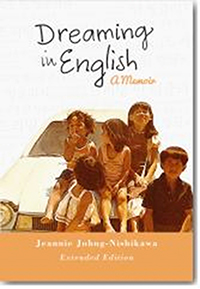
Dreaming in English a Memoir 영어로 꿈꾸기
- Jeannie Johng-Nishikawa 저
- 정음서원
- 2015년 09월 08일
-
정가12,000원
-
판매가10,800원 [10% 할인]
-
결제 혜택무이자
카드할인/포인트결제 안내
제휴카드
반디앤루니스 롯데카드 결제금액 최대 25% 청구할인 (1만원 이상 결제건에 한해 월 2회, 건당 최대 1만원 할인) 반디앤루니스 우리V카드 결제금액 10% 청구할인 포인트결제
OK캐쉬백 포인트 최소 10원부터 전액 사용 or 1% 적립 현대카드 M포인트 결제금액의 최대 10% 사용 가능 신한카드 포인트 결제금액의 최대 10% 사용 가능(일부카드) 하나(구.외환) 포인트 보유 한도 내에서 100% 사용 가능 씨티카드 포인트 결제금액의 최대 50% 사용 가능 할인카드
NH농협 TAKE5카드 20% 청구할인(Edu Pack) 채움 플래티늄 멀티카드 20% 청구할인 모바일 Tmoney 신한카드 10% 청구할인 신한카드 Shopping 10% 청구할인 NH농협 체크카드 10% 청구할인 NH20 해봄 신용카드 10% 청구할인 씨티 클리어 카드 7% 청구할인 NH20 해봄 체크카드 5% 청구할인 NH농협 LADY다솜카드 5% 청구할인 신한카드 큐브 5% 청구할인 신한카드 큐브 PLATINUM# 5% 청구할인 
무이자 안내
-
적립금600원 적립 [5%P]
추가 적립금 안내
[2천원 추가 적립]
총 주문금액 5만원 이상 구매 시 2,000원 추가 적립
도서(eBook포함)만 구매 시 적립 대상에서 제외업채배송상품 포함(기프트, 업체배송 등) 5만원[멤버십 추가 적립]
슈퍼루니 : 3% 추가 적립
골드루니 : 2% 추가 적립
실버루니 : 1% 추가 적립
단, 국내도서, eBook만 구매 시 적립 불가
-
배송료15,000원 이상 구매시 무료배송
-
출고예정일
출고예정일 안내
※ 출고예정일은 도서 재고상황에 따라 변동될 수 있습니다.
2026년 02월 04일(수)※ 출고예정일은 도서 재고상황에 따라 변동될 수 있습니다.
당일배송 가능지역 검색
“도로명주소”를 쉽게 찾아보세요
1. 도로명으로 검색하기 (예, “직지길” or “직지길+322”)
2. 건물명으로 검색하기 (예, “반디앤루니스빌딩”)
3. 동(읍/면/리) 으로 검색 (예, “인사동” or “인사동+43”)
4. 도로명주소를 모르실 경우 도로명주소 안내시스템(http://www.juso.go.kr)에서 확인해주세요.
시/도
시/군/구
회원리뷰
ISBN: 9791195032440
252쪽
150 x 215 (㎜)
지금 이책은
- 판매지수 : 220
이 분야의 베스트셀러
-
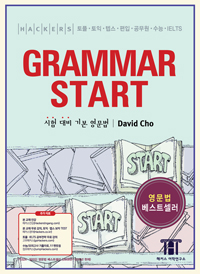 HACKERS GRAMMAR START 해커스 그래머 스타트
DAVID CHO
15,210원
HACKERS GRAMMAR START 해커스 그래머 스타트
DAVID CHO
15,210원
-
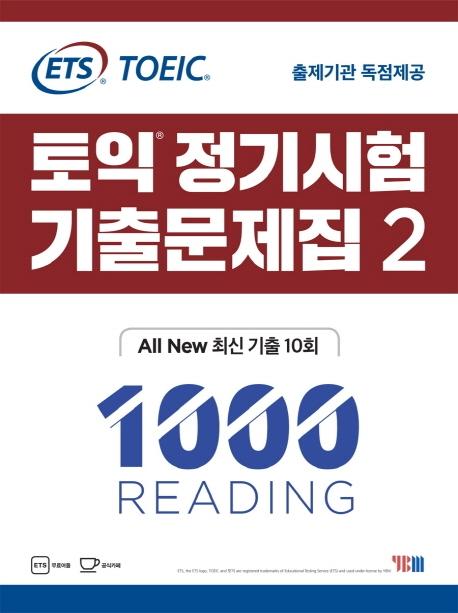 ETS 토익 정기시험 기출문제집 1000 Vol. 2 READING
ETS
16,020원
ETS 토익 정기시험 기출문제집 1000 Vol. 2 READING
ETS
16,020원
-
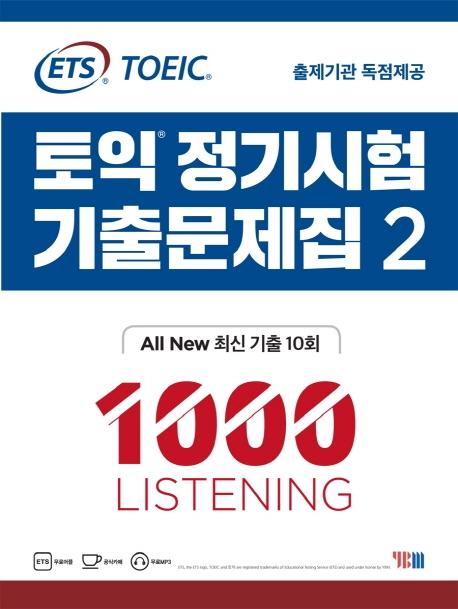 ETS 토익 정기시험 기출문제집 1000 Vol. 2 LISTENING
ETS
16,020원
ETS 토익 정기시험 기출문제집 1000 Vol. 2 LISTENING
ETS
16,020원
책 소개
출판사 리뷰
정음서원 추천의 말
작가는 10살에 미국으로 이민간 한국인입니다. 한국의 문화와 미국 문화에 대해 이토록 쉽게 읽을 수 있고 또 쉽게 이해할 수 있는 책은 찾아보기 어려울 것입니다. 이민자들이 많은 미국에서는 문화의 차이로 말미암아 어려움을 겪는 많은 이들에게 널리 읽히고 공감을 주는 독특한 내용을 담고 있습니다.
2011년 처음 출간시에도 국내에서 인쇄제작하였으나 영어로 쓰여져 있어 미국내에서만 판매하고 국내에 선보이지 못했지만 이번에 증보판을 내면서 미국에서 판매되는 원본 그대로 독자 제현들에게 선보입니다. 특히 한국 ...
정음서원 추천의 말
작가는 10살에 미국으로 이민간 한국인입니다. 한국의 문화와 미국 문화에 대해 이토록 쉽게 읽을 수 있고 또 쉽게 이해할 수 있는 책은 찾아보기 어려울 것입니다. 이민자들이 많은 미국에서는 문화의 차이로 말미암아 어려움을 겪는 많은 이들에게 널리 읽히고 공감을 주는 독특한 내용을 담고 있습니다.
2011년 처음 출간시에도 국내에서 인쇄제작하였으나 영어로 쓰여져 있어 미국내에서만 판매하고 국내에 선보이지 못했지만 이번에 증보판을 내면서 미국에서 판매되는 원본 그대로 독자 제현들에게 선보입니다. 특히 한국 문화를 영어로 표현하는데 관심 있으신 분에게 추천합니다.
추천글
작가는 10살에 미국으로 이민간 한국인입니다. 한국의 문화와 미국 문화에 대해 이토록 쉽게 읽을 수 있고 또 쉽게 이해할 수 있는 책은 찾아보기 어려울 것입니다. 이민자들이 많은 미국에서는 문화의 차이로 말미암아 어려움을 겪는 많은 이들에게 널리 읽히고 공감을 주는 독특한 내용을 담고 있습니다.
2011년 처음 출간시에도 국내에서 인쇄제작하였으나 영어로 쓰여져 있어 미국내에서만 판매하고 국내에 선보이지 못했지만 이번에 증보판을 내면서 미국에서 판매되는 원본 그대로 독자 제현들에게 선보입니다.
특히 한국 문화를 영어로 표현하는데 관심 있으신 분에게 추천합니다.
저자 소개

책 속에서
<한편 읽어보기>
이 책의 마지막 장입니다. 가벼운 마음으로 작가가 무슨 말을 하고자 하는지 훑어 보시기 바랍니다.
Chapter 30
Embracing Two Cultures
Today I feel fortunate to live within two different cultures. The path I’ve chosen has had its challenges and its blessings, but with patience comes wisdom. I realized I could not prevent myself from embracing both my Korean and my American identity. Neither wholly defines me. The path toward my identity is an unfinished one.
When I first started school in 1978, the English language sounded like indistinguishable noise to me. Still, I had a strong desire to make American friends. I may not have known the word for “friendship,” but I still managed to form those bonds. I played with all of my classmates regardless of their appearances. Some of them had blonde hair and blue eyes, while others had curly hair and dark skin. Even my own cousins had physical characteristics I’d never seen before. However, all this didn’t keep me from loving them equally.
There are some subtle cultural differences between Koreans and Americans. Some Americans do not take their shoes off when they enter their homes or bedrooms. That was a shock for me to see because at my house, we never wore shoes into our bedrooms. Also, Americans don’t bow their heads when greeting someone as they do in Korea. American children are not responsible for the same show of respect for their parents or elders as are Korean children. In American households, the youngest person eats first while the oldest male eats first in Korea. However, these are only practices that define our histories, not our value as individuals.
After I joined the International Club at American River College, I knew being a Korean American was something to be treasured. I was the only Korean American in the group. There were people from Germany, Spain, Poland, France, Peru, Columbia, Argentina, Czechoslovakia, Jordan, Iran, Ethiopia, India, and the Philippines. It was like the United Nations. Once a month, we got together at someone’s home and just had a good time. We didn’t compare our cultural differences, instead focusing on what we had in common, learning to trust one another, and building friendships.
I decided in the seventh grade that I would focus on the similarities instead of the differences in all of us. We all have the same desires for education, health, happiness, safety, and peace.
Today, I try to greet as many people as I encounter and learn as much about them as they care to share with me. I think it is only the fear of the unknown that keeps one group of people from understanding another. The way we look and dress may separate us temporarily, but when you take the time to get to know a person, you realize how much that person has in common with you.
Having friendships with people of different cultures can invite so many new possibilities. There is a wealth of colors and flavors beyond the culture into which you are born. Having friends from so many different countries and ethnic backgrounds invites only blessings into one’s life.
When I was a child, I thought being rich meant having fancy cars, a big house, and expensive clothes. As I grew older, I realized that those are just temporary materials on the path of one’s life. You cannot find true happiness in what you wear. Being truly rich is to give love generously and to allow yourself to receive it. My soul is awake at this moment, and for that, I feel eternally rich.
목차
목차
Foreword by Wayne Maeda 8
Author’s Note 12
Acknowledgments 16
Part I Korea
Chapter 1 Life on the Farm 23
Chapter 2 Before the Farm 31
Chapter 3 Sweet Potatoes and Watermelons 34
Chapter 4 Thirsty Cow 43
Chapter 5 Frog Legs 46
Chapter 6 Catching a Snake 50
Chapter 7 Yangban Burial Process 55
Chapter 8 Unni 66
Chapter 9 Fall 71
Chapter 10 The Winter 78
Chapter 11 Ghost Elementary School 85
Chapter 12 A Chicken for Dinner 94
Chapter 13 A Package from America 97
Chapter 14 Komo 106
Chapter 15 Leaving for America 111
Part II America
Chapter 16 The First Night 121
Chapter 17 Our First Home 133
Chapter 18 Mint Chocolate Chip Ice Cream 140
Chapter 19 Stacey 152
Chapter 20 Sixth Grade 159
Chapter 21 White Tennis Shoes 169
Chapter 22 Dreaming in English 175
Chapter 23 Learning by the Bible 178
Chapter 24 Third Daughter 184
Chapter 25 Sink or Swim 188
Chapter 26 Bleeding Steak 193
Chapter 27 Cordova Lancers 207
Chapter 28 American River College 217
Chapter 29 Moonlight Cleaners 225
Chapter 30 Embracing Two Cultures 243
Afterword by Dr. Heather Sellens 248
Glossary 251
Foreword by Wayne Maeda 8
Author’s Note 12
Acknowledgments 16
Part I Korea
Chapter 1 Life on the Farm 23
Chapter 2 Before the Farm 31
Chapter 3 Sweet Potatoes and Watermelons 34
Chapter 4 Thirsty Cow 43
Chapter 5 Frog Legs 46
Chapter 6 Catching a Snake 50
Chapter 7 Yangban Burial Process 55
Chapter 8 Unni 66
Chapter 9 Fall 71
Chapter 10 The Winter 78
Chapter 11 Ghost Elementary School 85
Chapter 12 A Chicken for Dinner 94
Chapter 13 A Package from America 97
Chapter 14 Komo 106
Chapter 15 Leaving for America 111
Part II America
Chapter 16 The First Night 121
Chapter 17 Our First Home 133
Chapter 18 Mint Chocolate Chip Ice Cream 140
Chapter 19 Stacey 152
Chapter 20 Sixth Grade 159
Chapter 21 White Tennis Shoes 169
Chapter 22 Dreaming in English 175
Chapter 23 Learning by the Bible 178
Chapter 24 Third Daughter 184
Chapter 25 Sink or Swim 188
Chapter 26 Bleeding Steak 193
Chapter 27 Cordova Lancers 207
Chapter 28 American River College 217
Chapter 29 Moonlight Cleaners 225
Chapter 30 Embracing Two Cultures 243
Afterword by Dr. Heather Sellens 248
Glossary 251
배송 시 유의사항
- 반디앤루니스에서 구매하신 도서는 물류 대행 위탁업체 웅진 북센을 통해 배송됩니다.
(배송 포장에 "웅진 북센"으로 표기될 수 있습니다.)
- 구매한 상품의 품질과 배송 관련 문의는 반디앤루니스로 문의 바랍니다.
- 천재지변 및 택배사의 사정에 따라 배송이 지연될 수 있습니다.
- 결제(입금) 완료 후 출판사 및 유통사의 사정으로 품절 또는 절판 되어 상품 구입이 어려울 수 있습니다. (별도 안내 예정)
- 도서산간지역의 경우 추가 배송비가 발생될 수 있습니다.
반품/교환
상품 설명에 반품/ 교환 관련한 안내가 있는 경우 그 내용을 우선으로 합니다. (업체 사정에 따라 달라질 수 있습니다)
반품/교환
-
반품/교환 반품/교환 방법 홈 > 고객센터 > 자주찾는질문 “반품/교환/환불” 안내 참고 또는 1:1상담게시판 반품/교환 가능 기간 반품,교환은 배송완료 후 7일 이내, 상품의 결함 및 계약내용과 다를 경우 문제발견 후 30일 이내에 신청가능 반품/교환 비용 변심 혹은 구매착오의 경우에만 반송료 고객 부담(별도 지정 택배사 없음) 반품/교환 불가 사유 - 소비자의 책임 사유로 상품 등이 손실 또는 훼손된 경우
- 소비자의 사용, 포장 개봉에 의해 상품 등의 가치가 현저히 감소한 경우
- 복제가 가능한 상품 등의 포장을 훼손한 경우 : 예)만화책, 잡지, 화보집 등
- 시간의 경과에 의해 재판매가 곤란한 정도로 가치가 현저히 감소한 경우
- 전자상거래등에서의 소비자보호에 관한 법률이 정하는 소비자 청약철회 제한 내용에 해당되는 경우
- 해외주문 상품(해외 원서)의 경우(파본/훼손/오발송 상품을 제외)
소비자 피해보상
환불지연에 따른 배상- 상품의 불량에 의한 반품, 교환, A/S, 환불, 품질보증 및 피해보상 등에 관한 사항은
소비자 분쟁해결 기준(공정거래위원회고시)에 준하여 처리됨 - 대금 환불 및 환불지연에 따른 배상금 지급 조건, 절차 등은 전자상거래 등에서의
소비자 보호에 관한 법률에 따라 처리함
반품/교환 주소 경기도 파주시 문발로 77, 웅진북센(반디앤루니스)
